Our Botanicals
The architecture of flavour
Botanicals
From juniper and citrus to native New Zealand ingredients, botanicals are what give gin its structure, aroma, and sense of place. At Terane, they are chosen not for novelty, but for balance, texture, and character.
This page is a guide to the ingredients that shape our spirits. The roots, leaves, peels, florals, and wild botanicals that help make each expression unmistakably Terane.
Good gin is not built by stacking ingredients. It is built through
proportion, tension, and restraint.
Juniper may define gin, but the surrounding botanicals determine everything else – brightness, weight, warmth, dryness, floral lift, savoury depth, and the final sense of place in the glass.
What botanicals do in gin
Every ingredient has a role
Some botanicals bring brightness – citrus peels, fragrant leaves, floral lift. Others create the deeper structure of the spirit: roots, seeds, woody notes, warm spice, and the subtle textures that hold a recipe together.
At Terane, botanicals are selected the way good design elements are chosen: for what they contribute individually, and for how they behave in relation to everything around them. The goal is not clutter. It is a spirit that feels layered, precise, and alive.
That is especially important when working with native New Zealand botanicals. They are not used as a gimmick. They are used because they can bring something real: forest depth, peppery warmth, coastal tension, or a native aromatic signature that cannot be borrowed from anywhere else.
Explore the botanical library
Below you’ll find the ingredients that shape the Terane range, grouped by type. Each botanical has its own page with more detail and the gins it appears in.
Native New Zealand Botanical
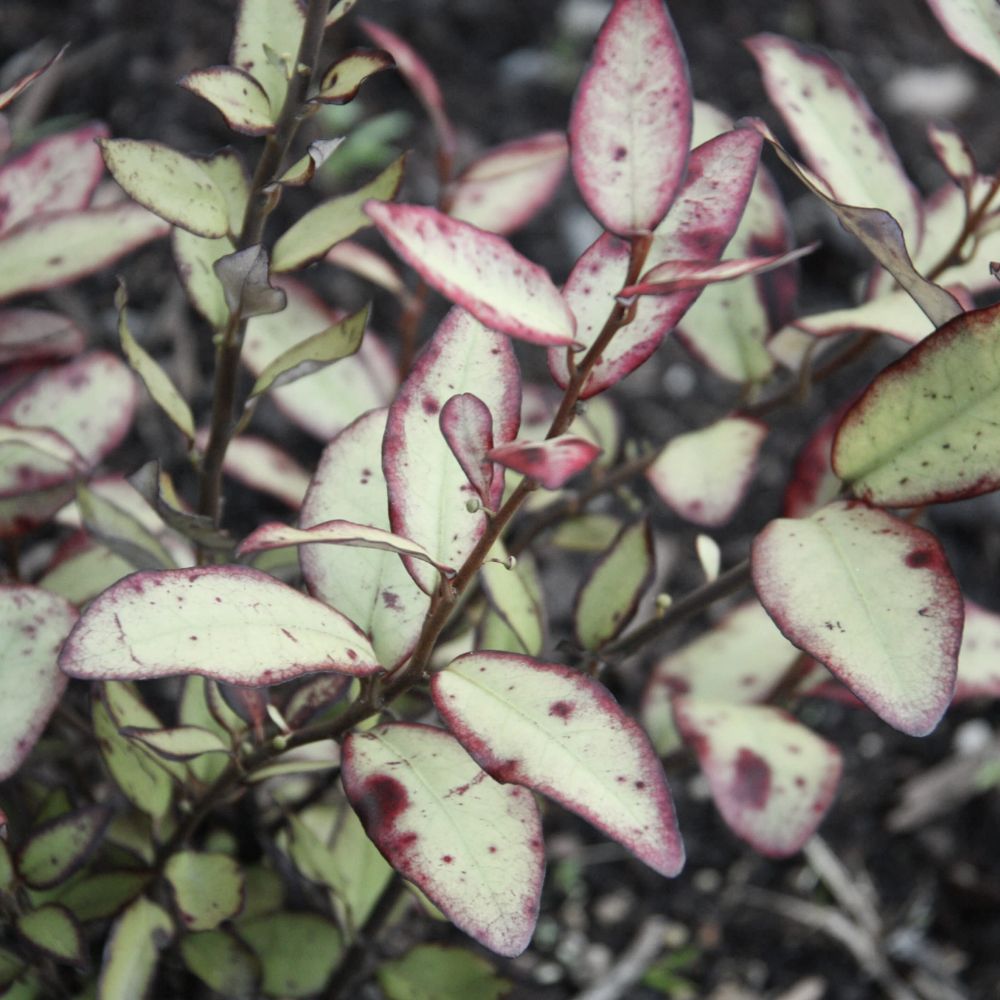
Horopito
A distinctive hot, peppery, spice with earthy and slightly citrusy notes
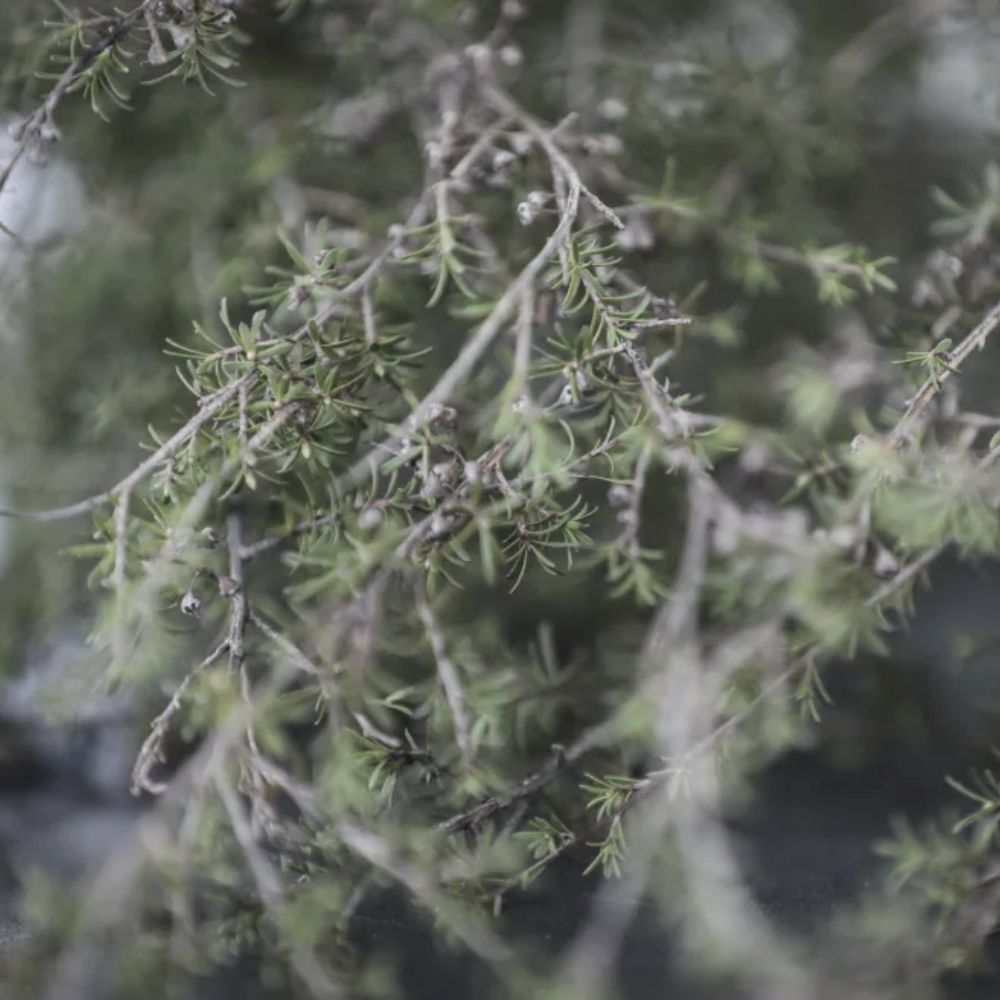
Kānuka
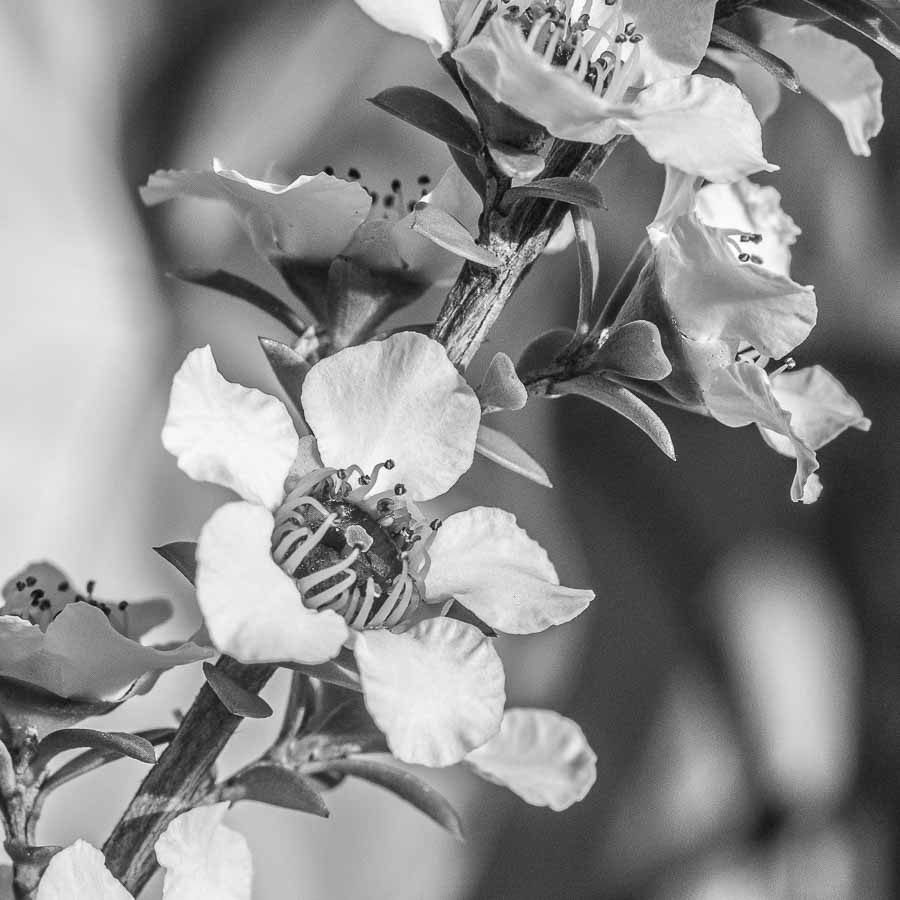
Whisper of wild honey and soft tea-tree resin.
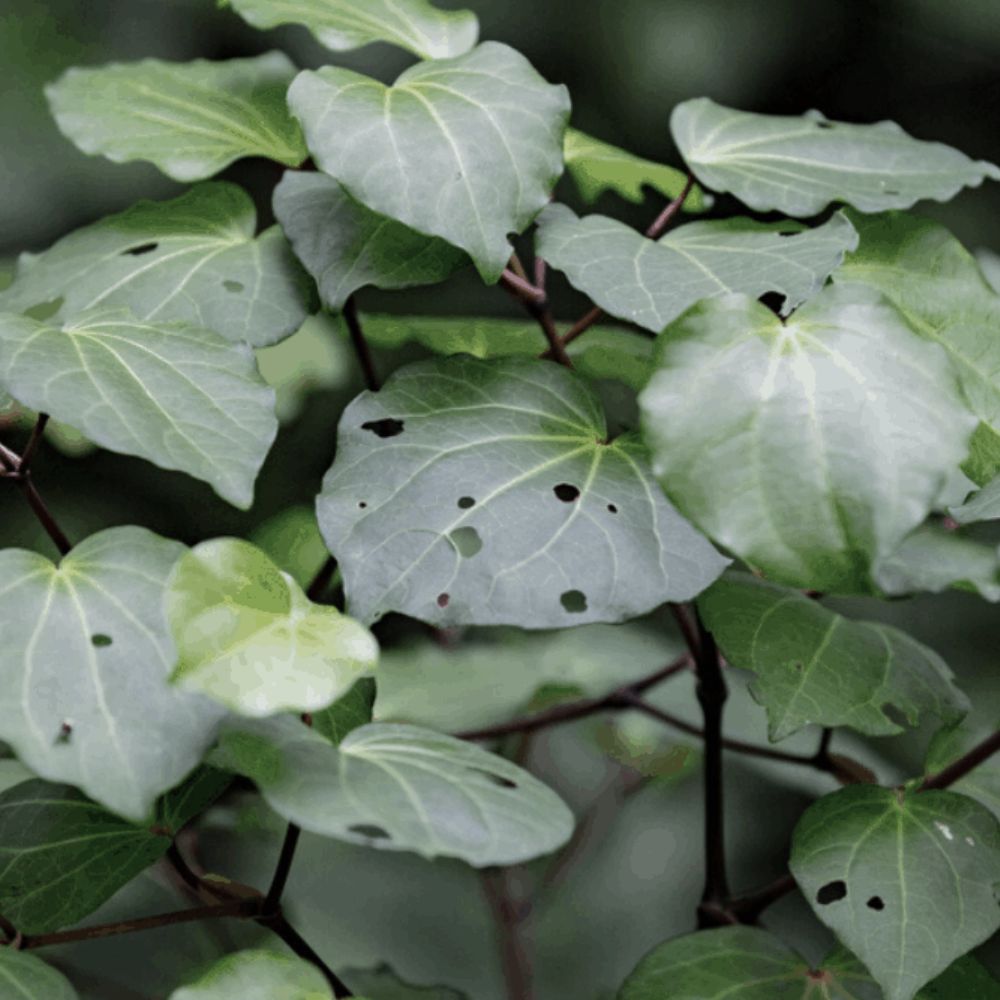
Kawakawa
Warming pepper-leaf bite; a heartbeat of the forest.
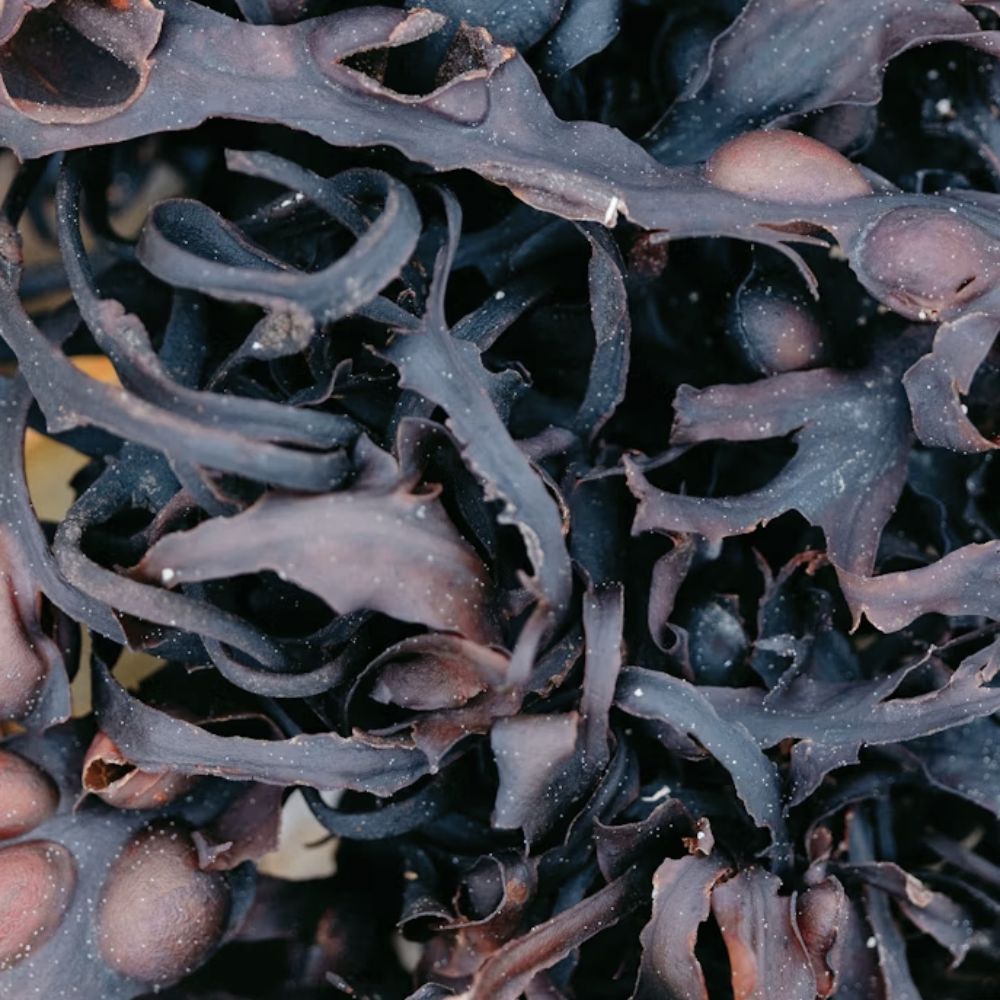
Kelp
New Zealand rimurimu (seaweed) foraged from the Tauranga moana.
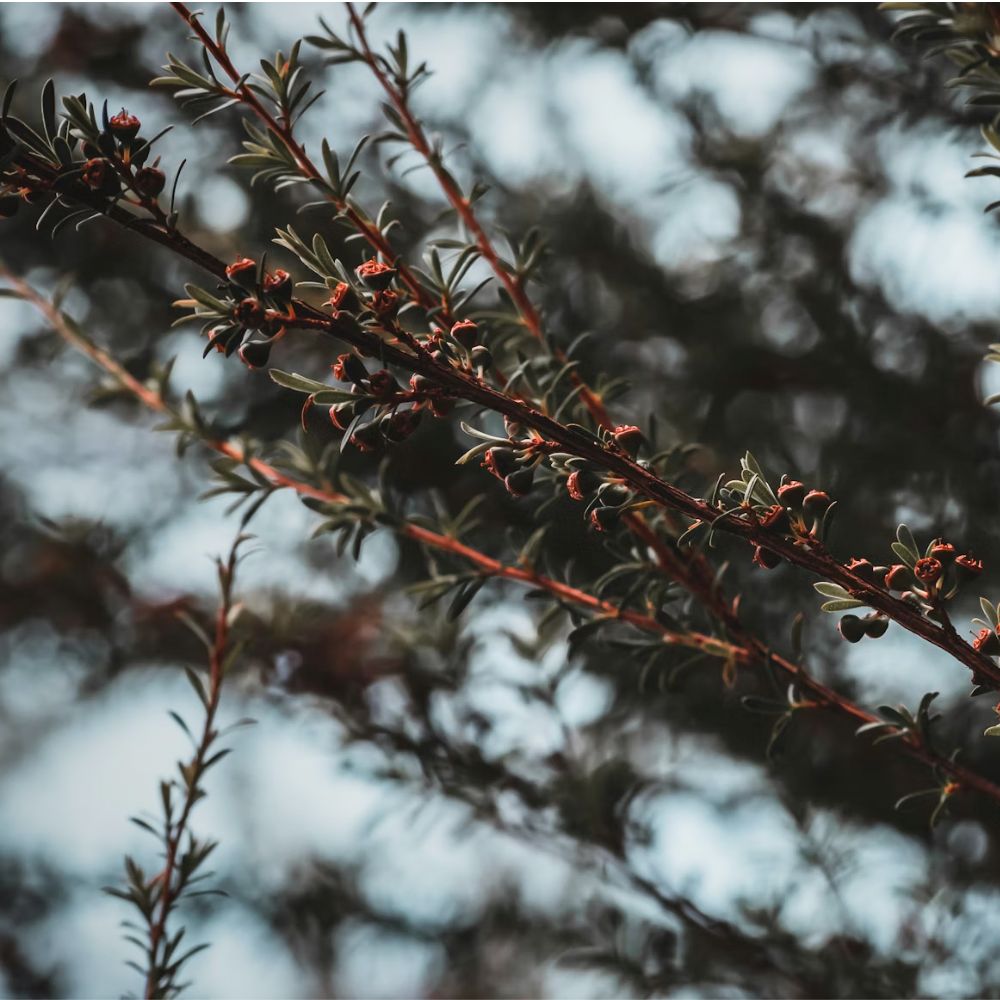
Mānuka
Soft honeyed resin; delicate floral thread throughout.
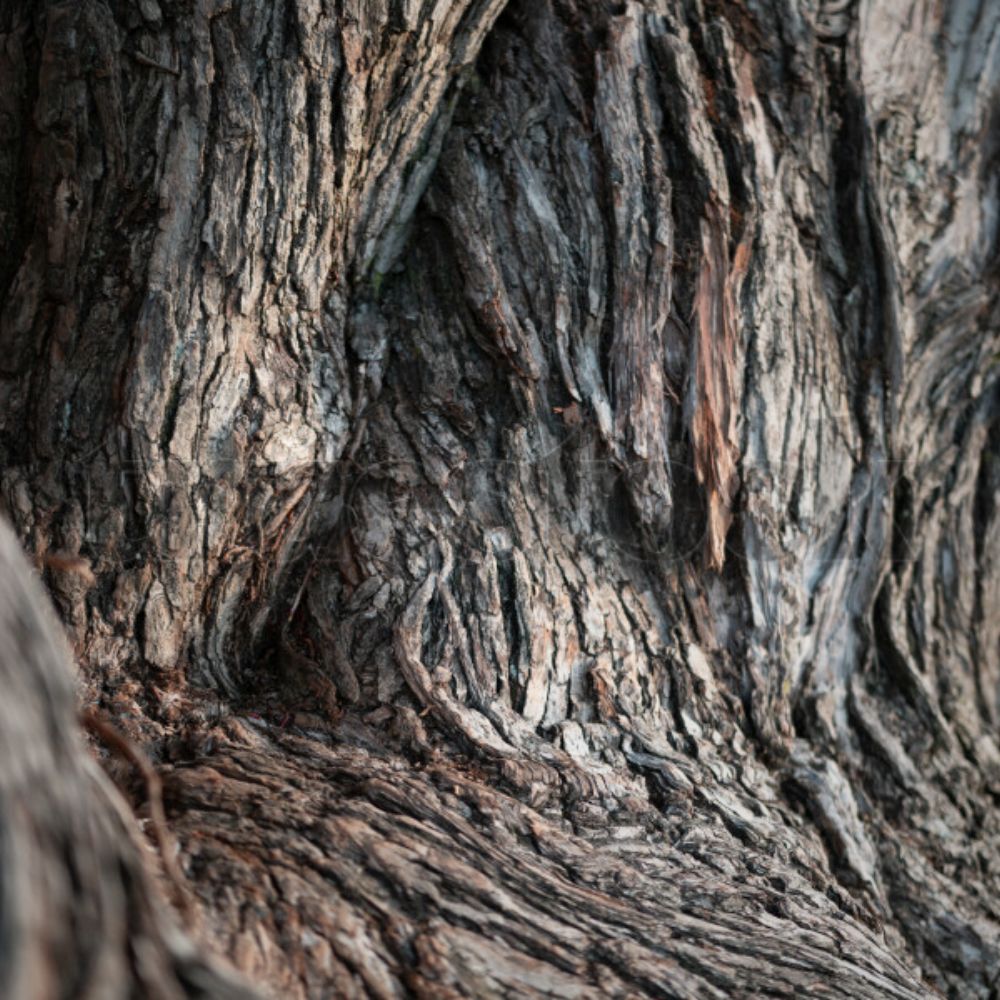
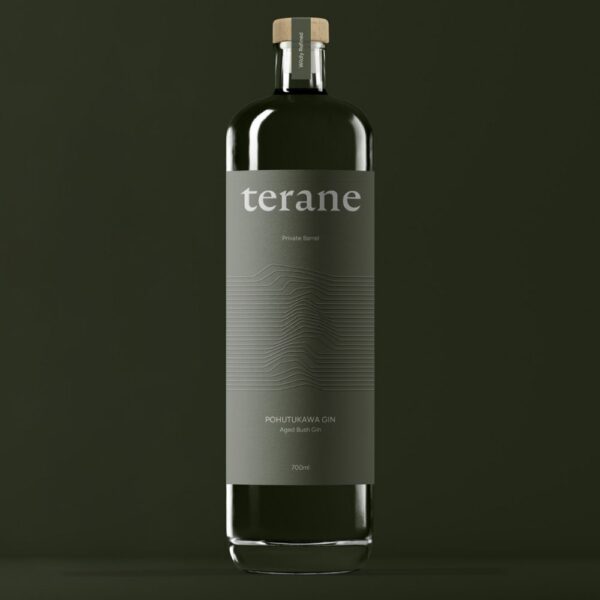
Pōhutukawa
Think oak, but with native New Zealand timber. Charred and toasted to bring out vanilla, caramel and tobacco
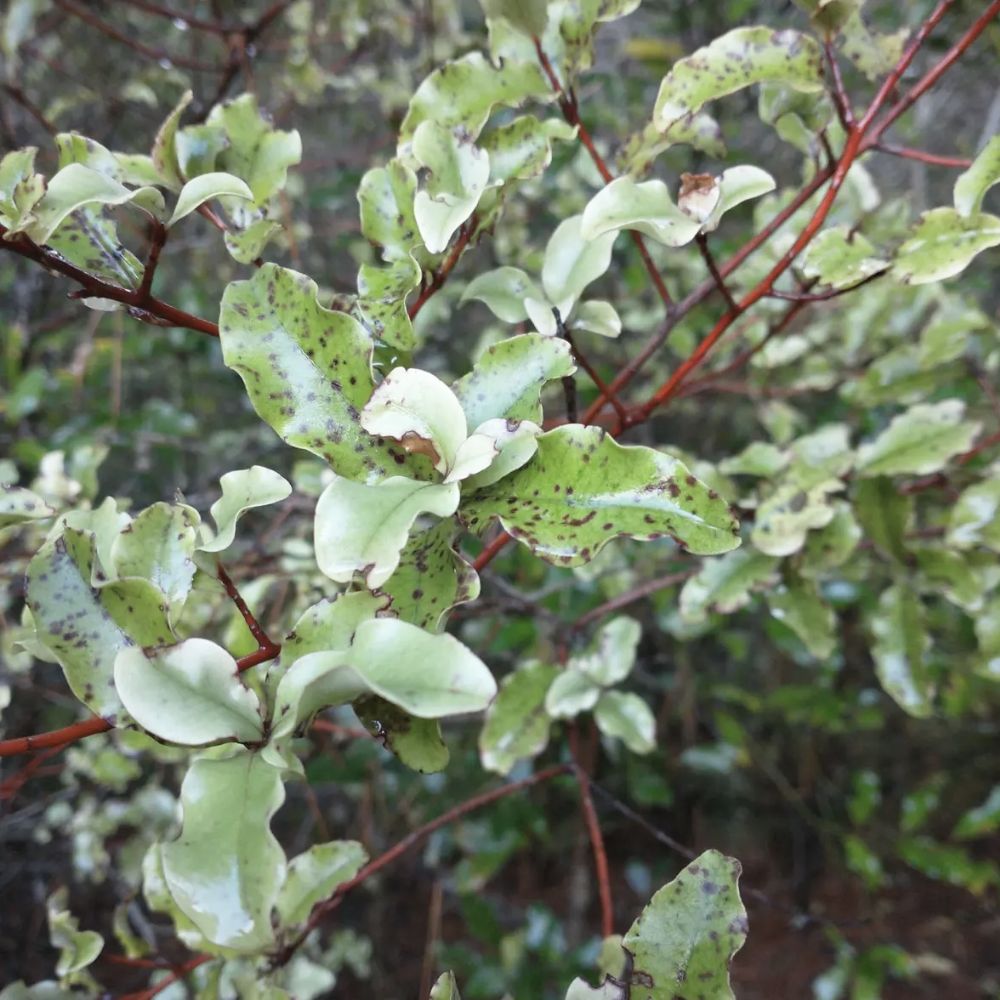
Red Mātipo
Sweet-bright citrus; a softer, sunlit acidity.
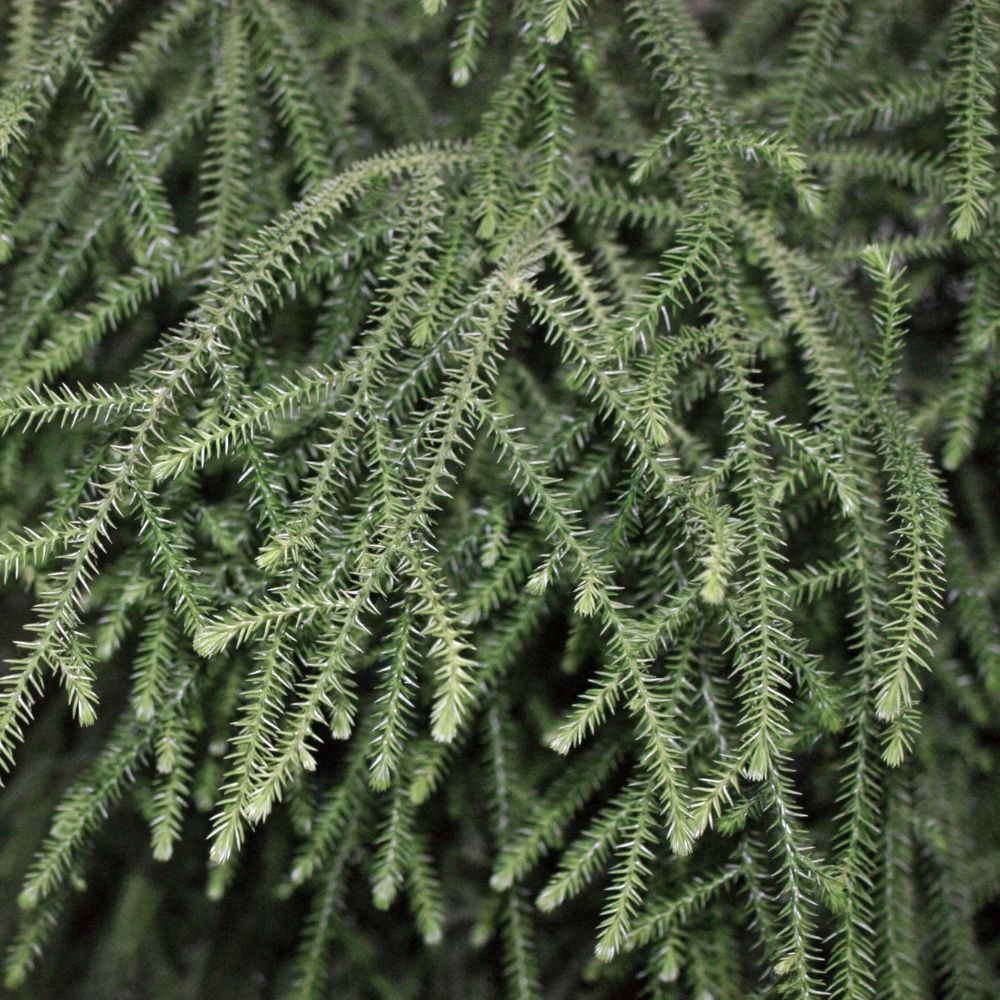
Rimu
Resinous forest depth; a steadying backbone of wood.
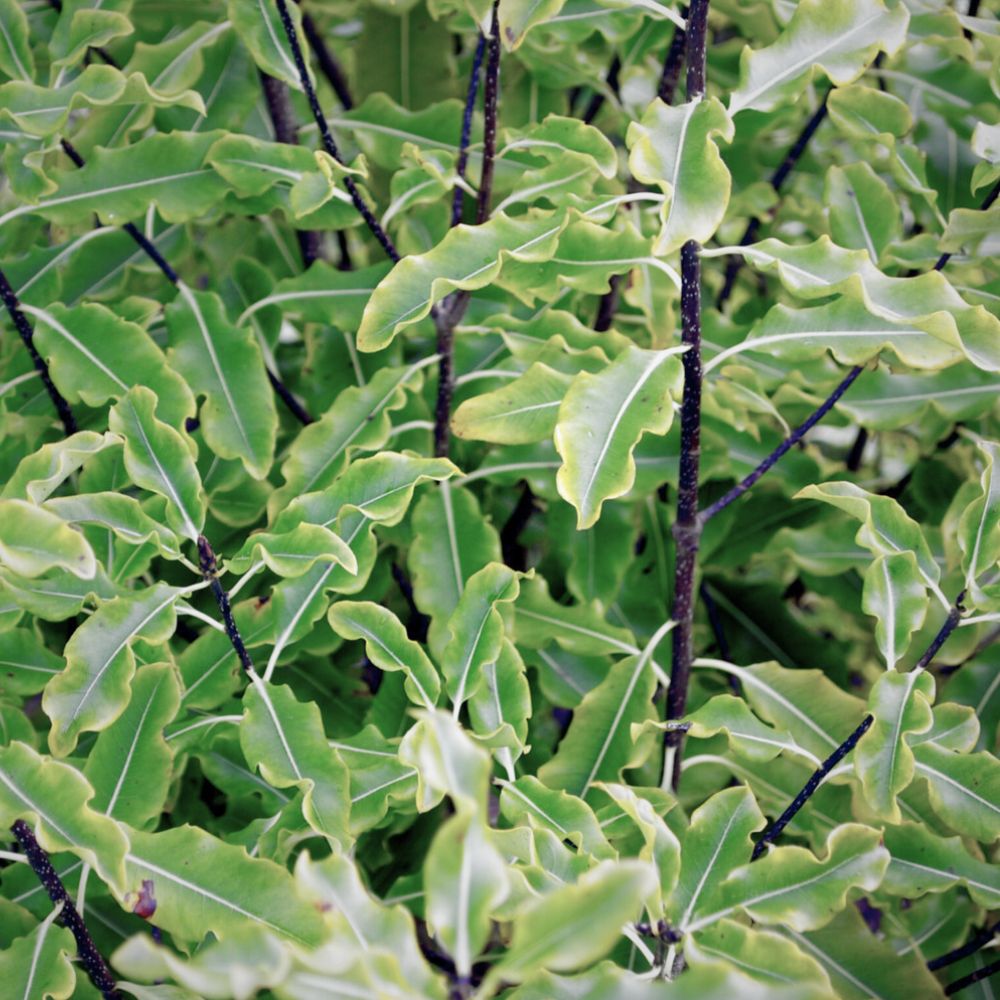
Tarata
Citrus-tinged herbaciousness.
Citrus
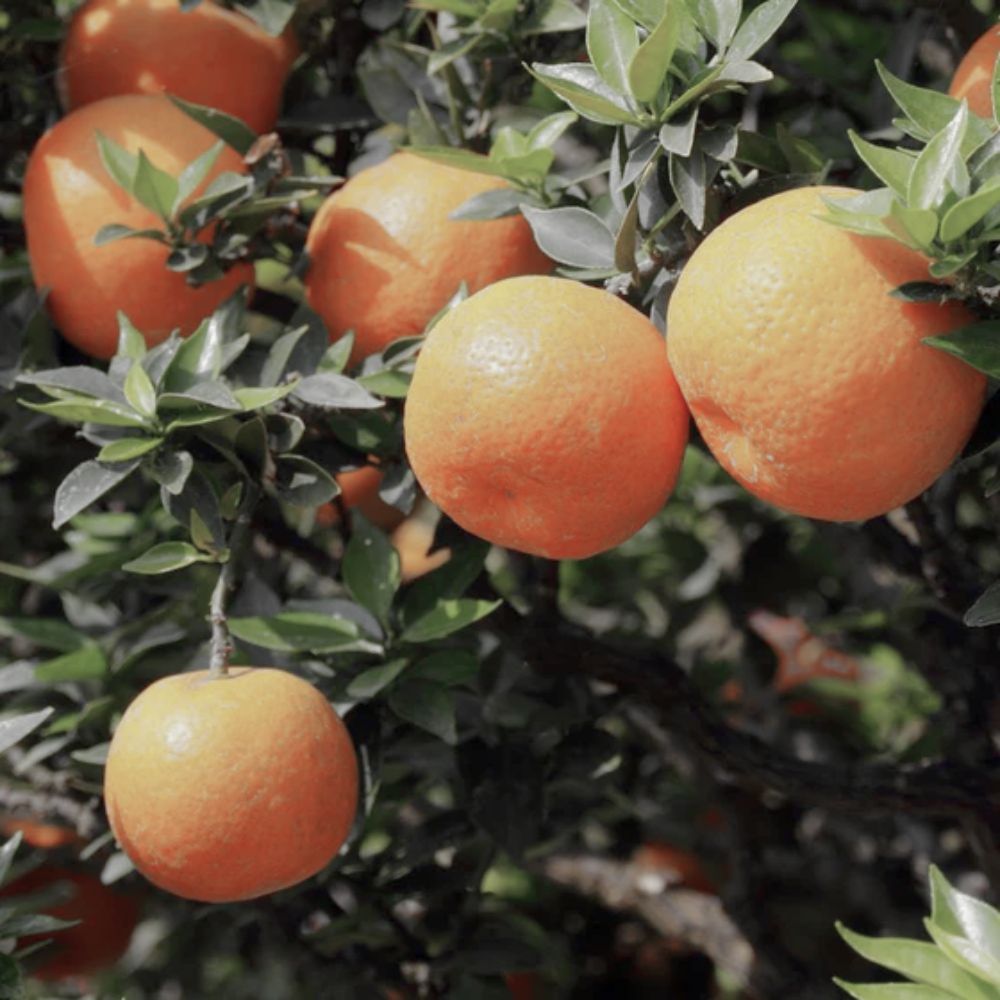
Fresh Tangelo
Bright citrus zest, a vivid kiss of orchard sunshine.
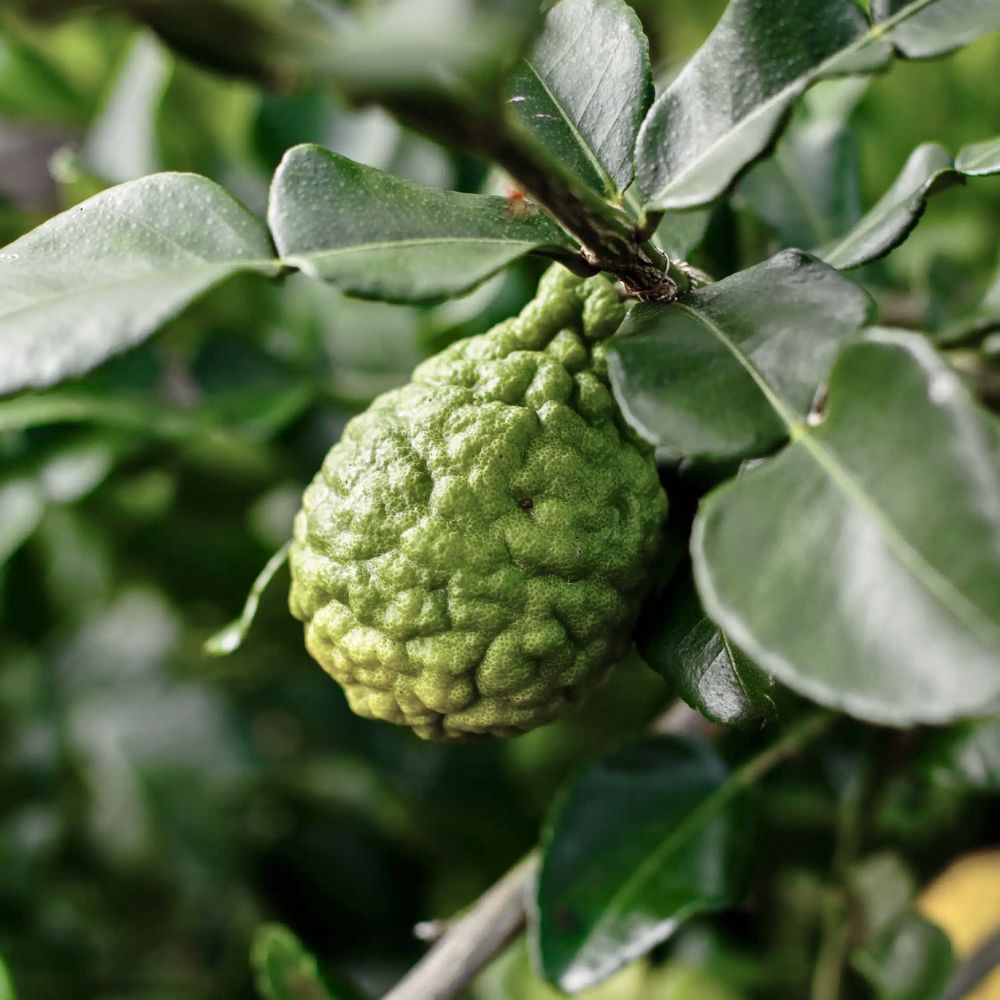
Makrut lime
Punchy and aromatic
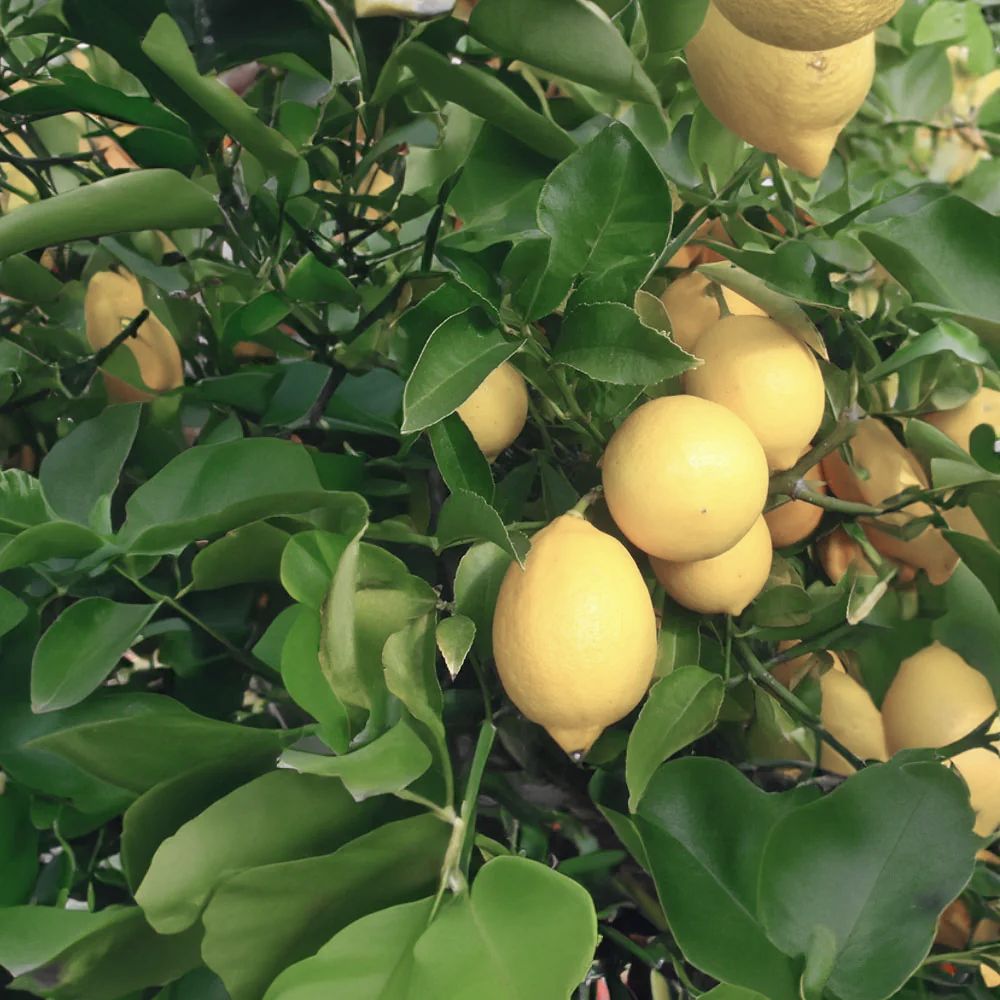
Meyer Lemon
Crisp green brightness with subtle fruity lift.
Floral
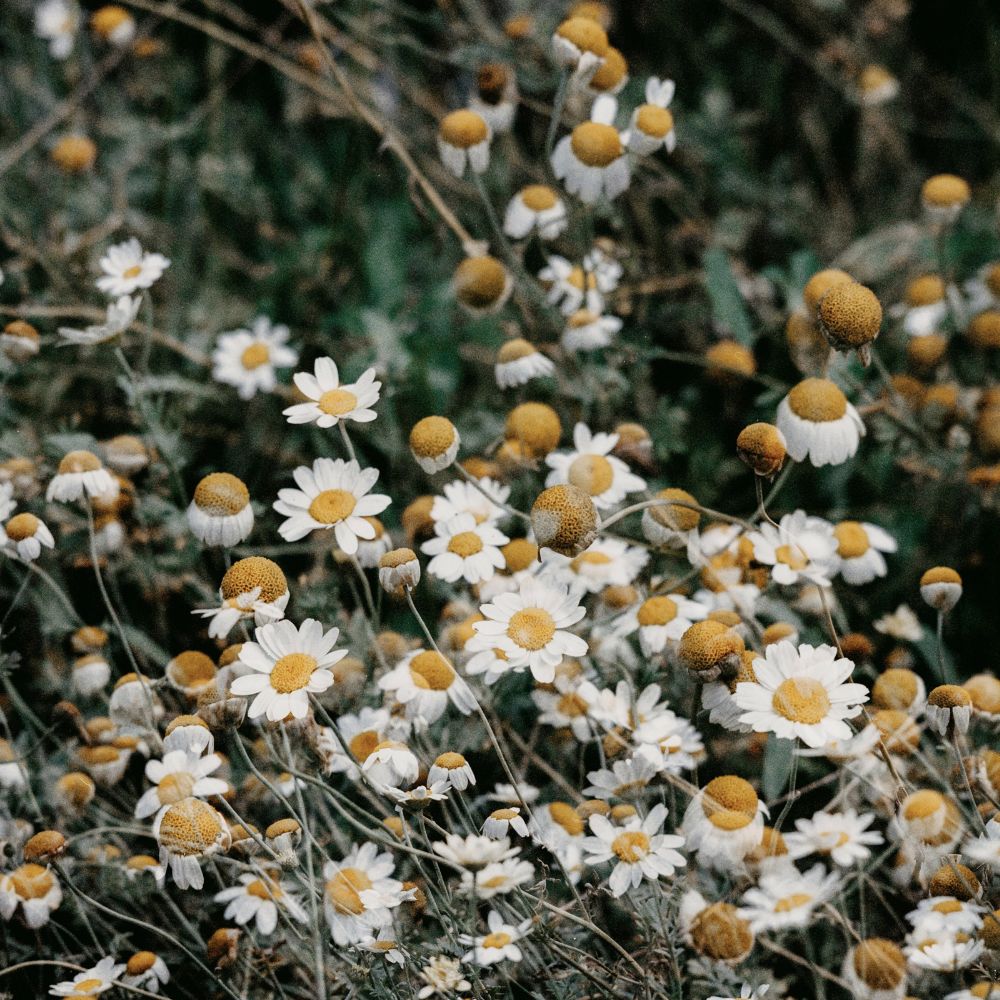
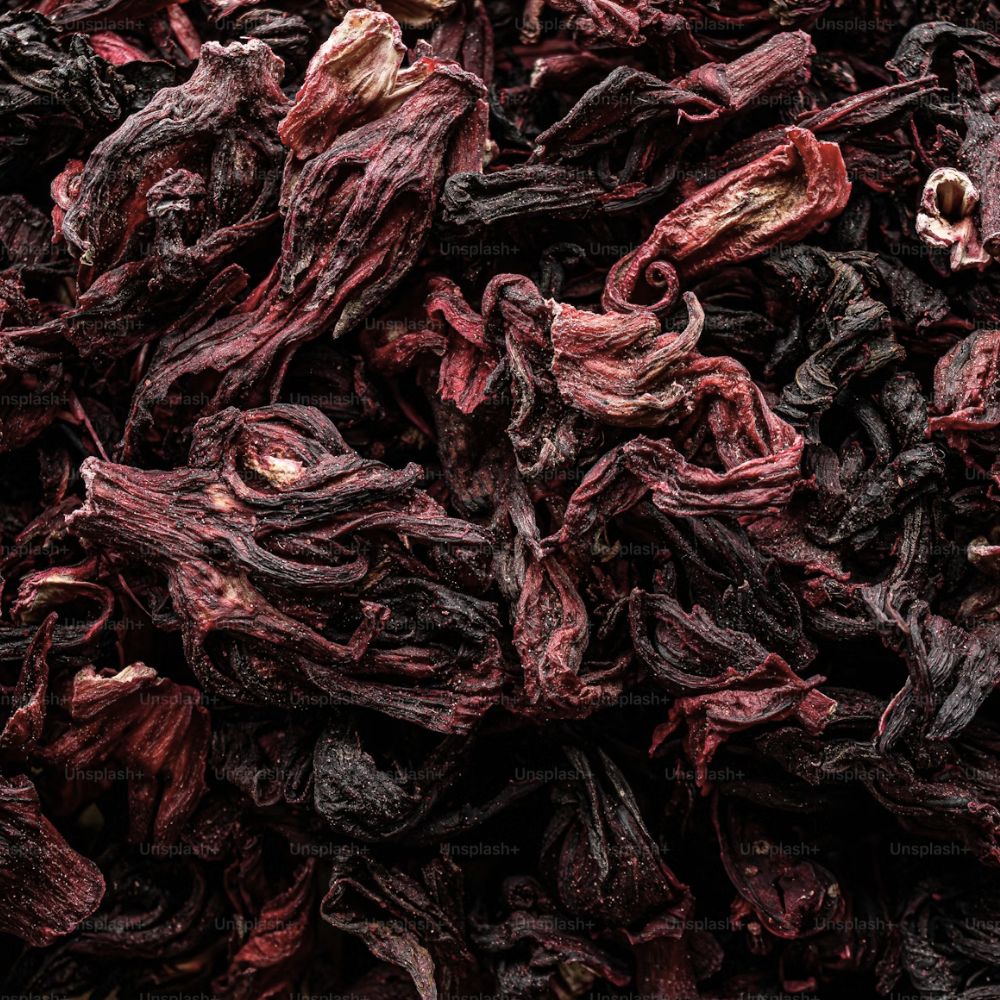
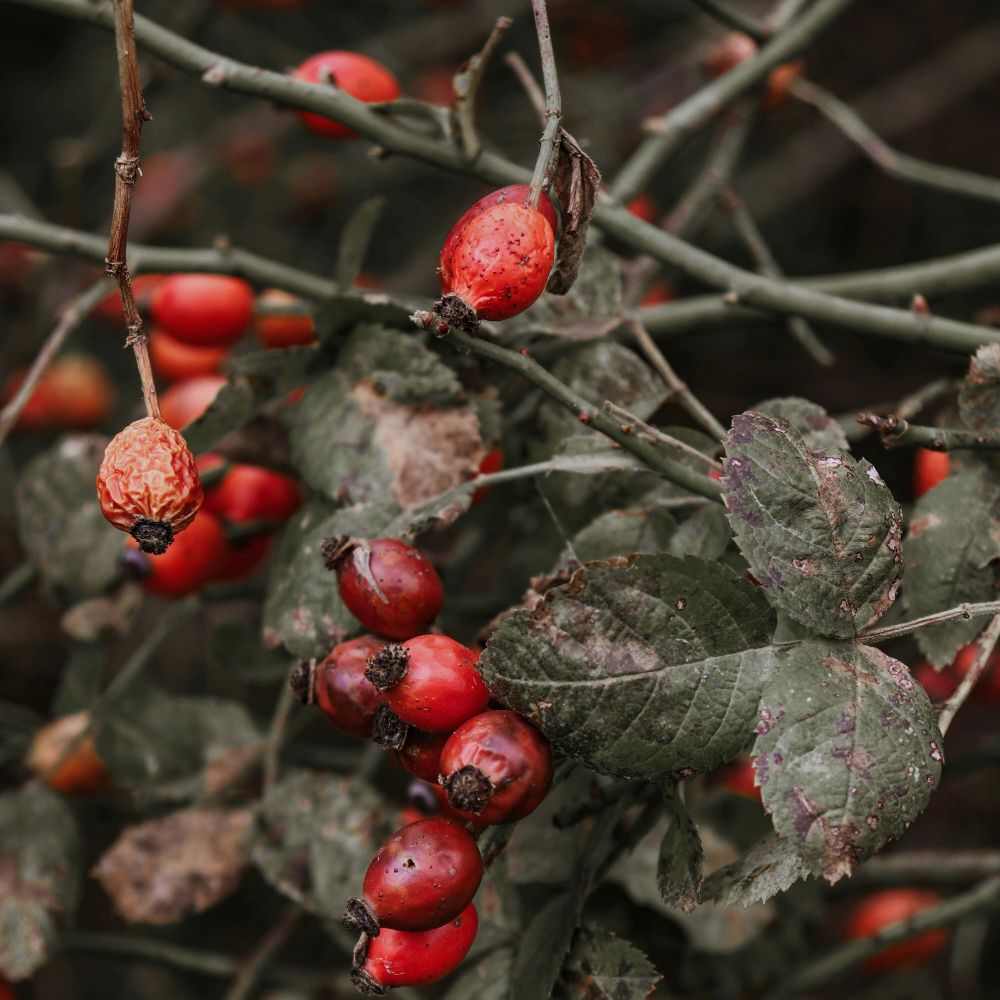
Spice
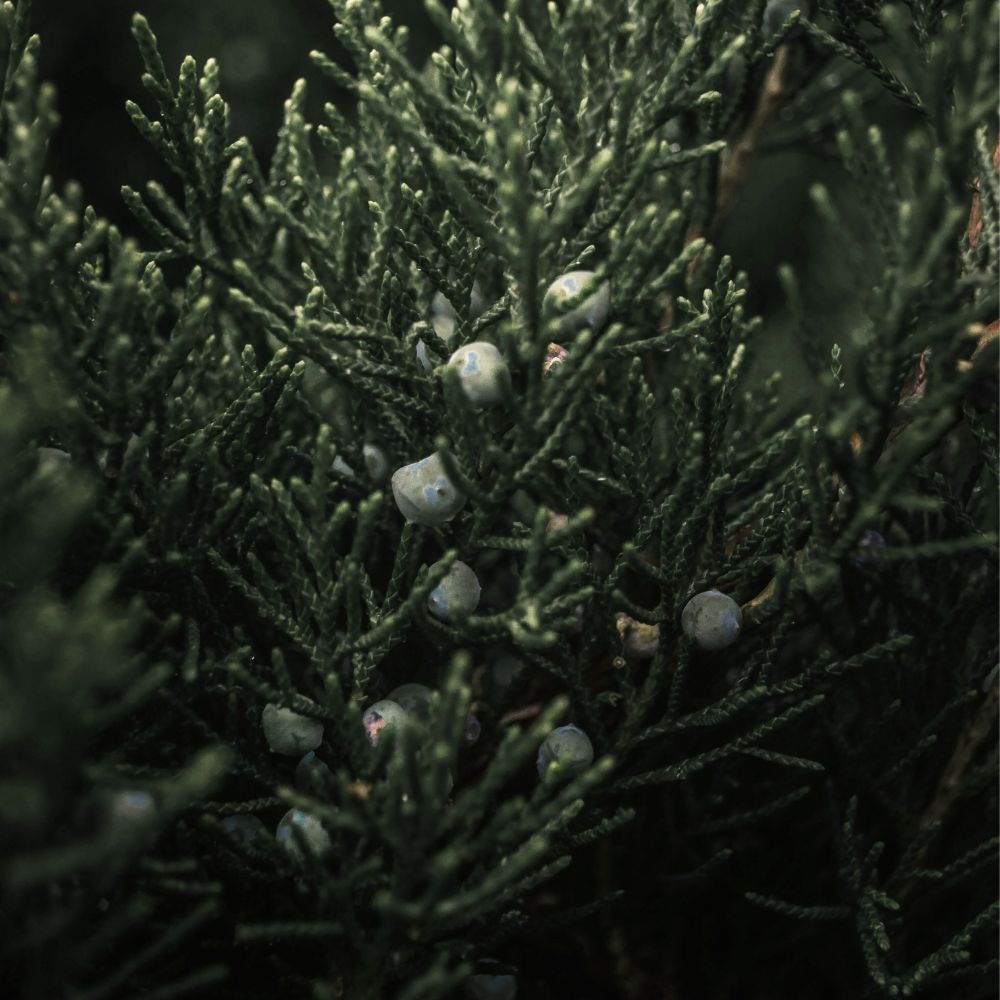
Cardamom
Lifting spice; cool, resinous, and elegantly aromatic.
Herbal
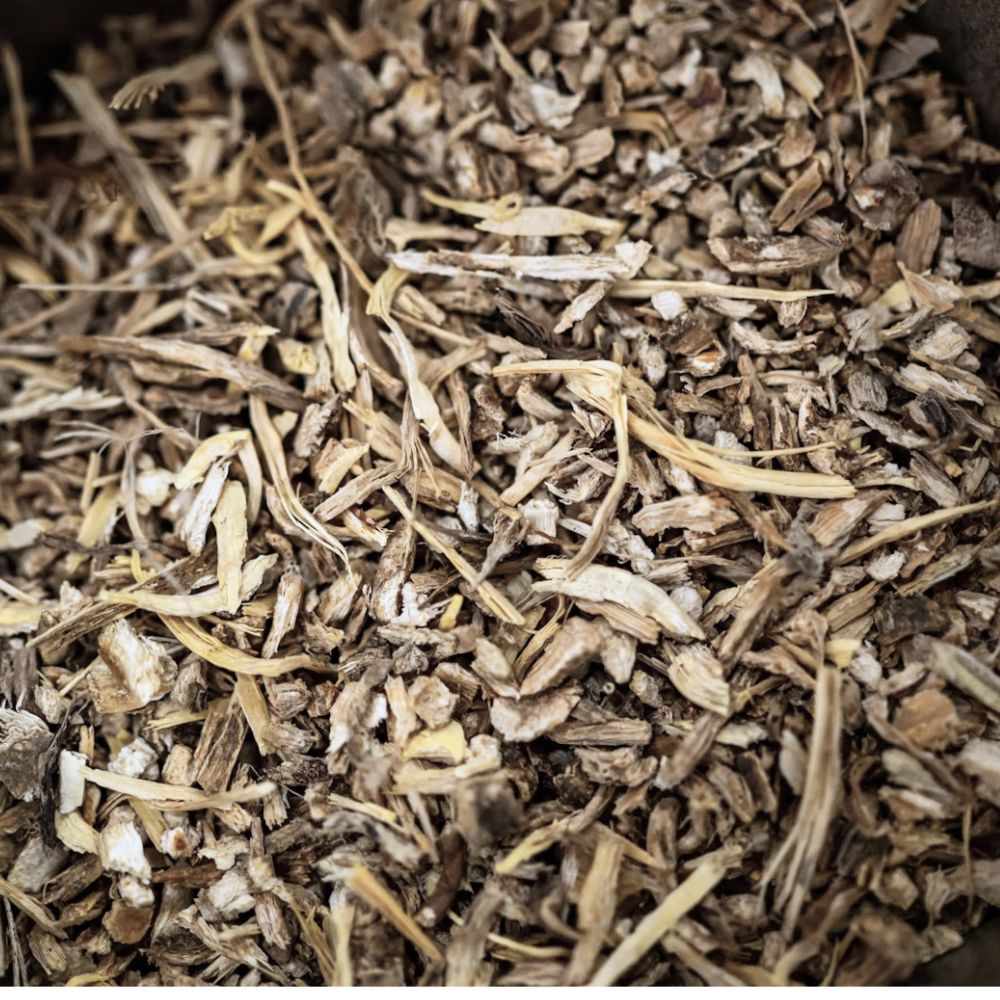
Licorice Root
Licorice root ads a perceived sweetness to the gin – not the anise taste you’d expect
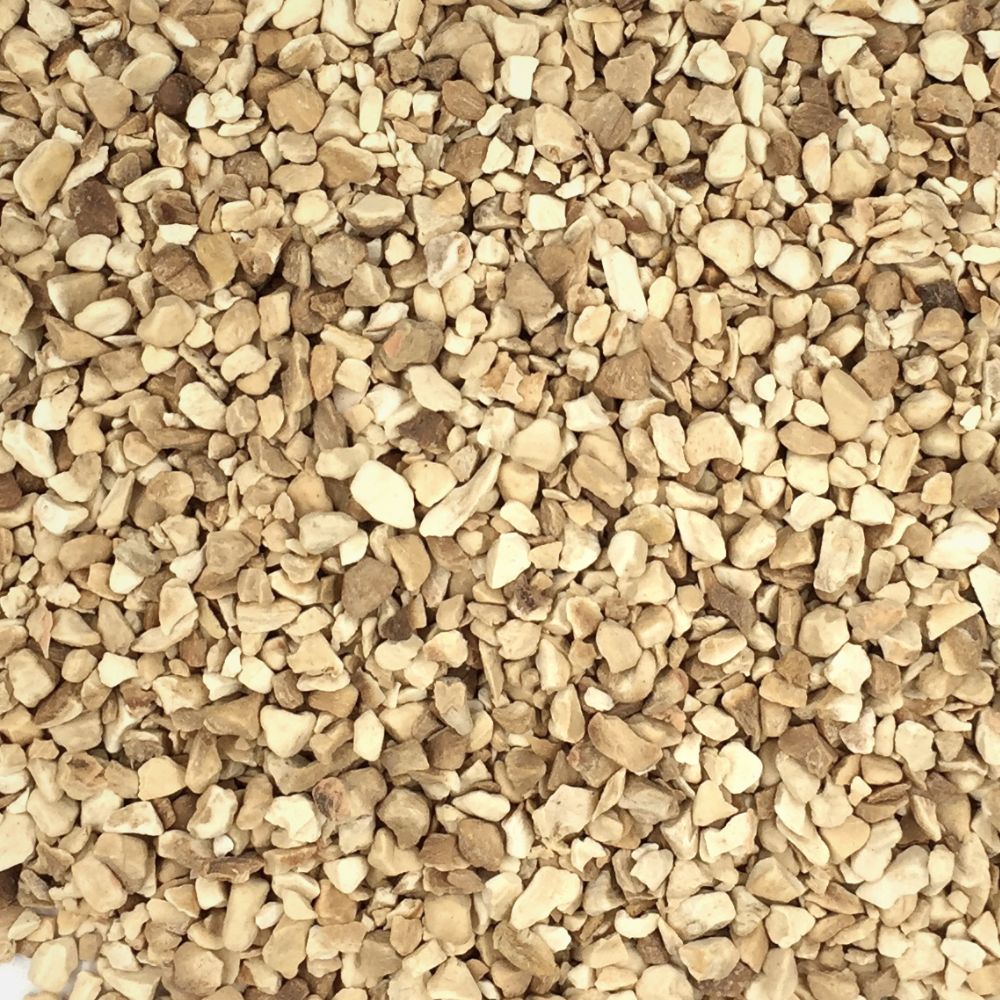
Orris
Powdered violet earthiness; the quiet binder of flavour.
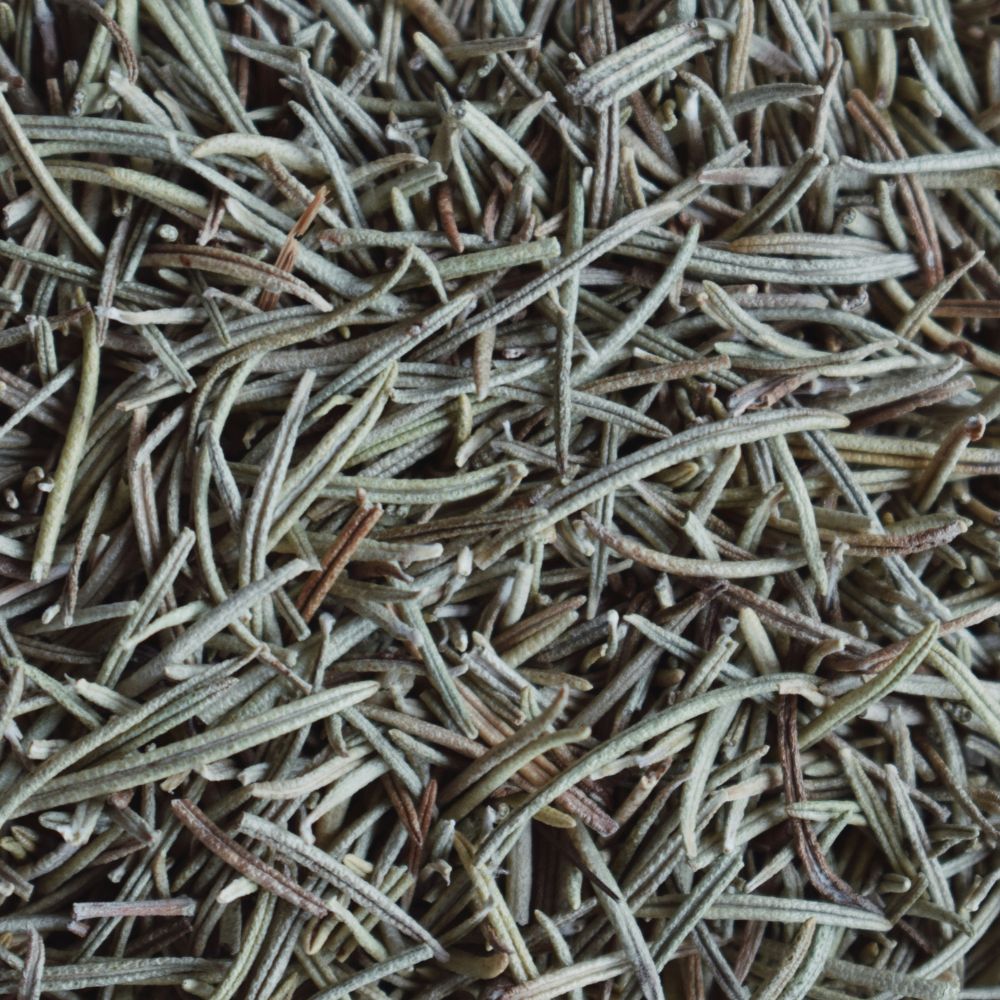
Rosemary
Pine-bright herb; a clean savoury lift.
Structural / Texture
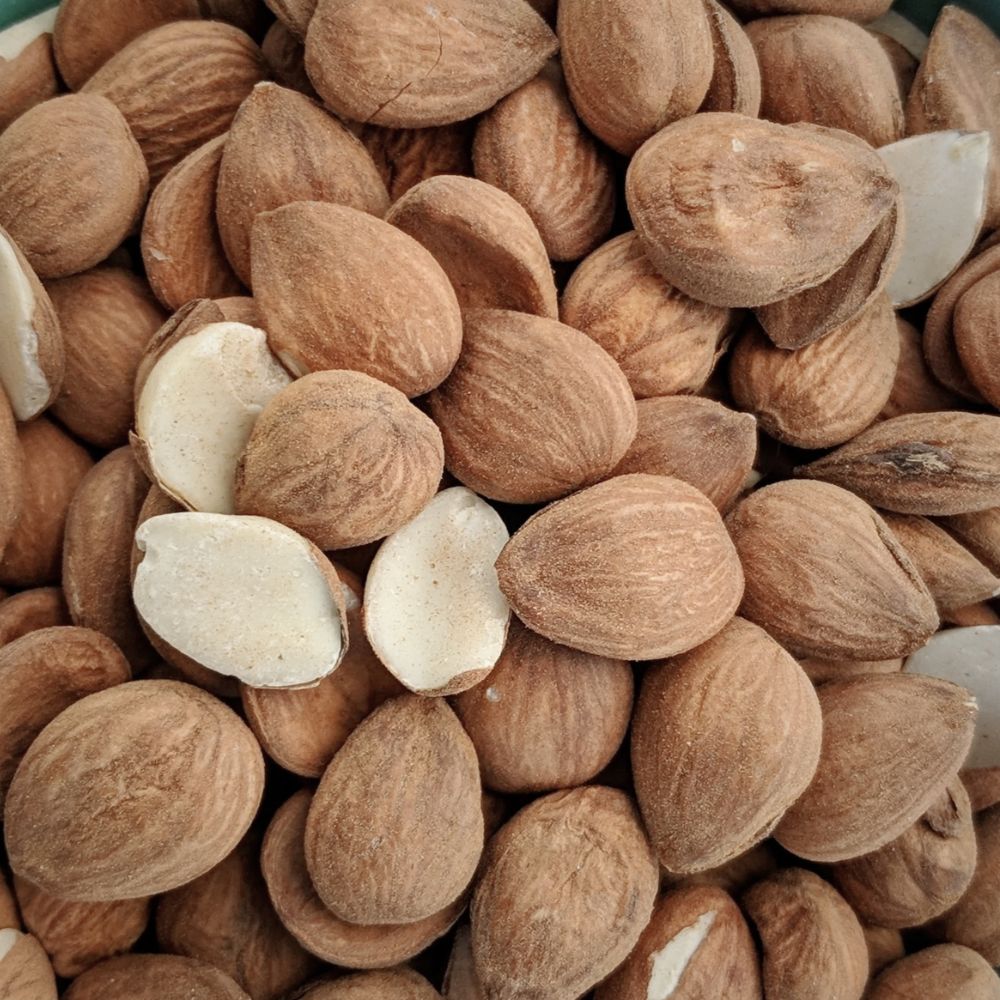
Apricot Kernel
Adds complexity and body with a soft stonefruit warmth
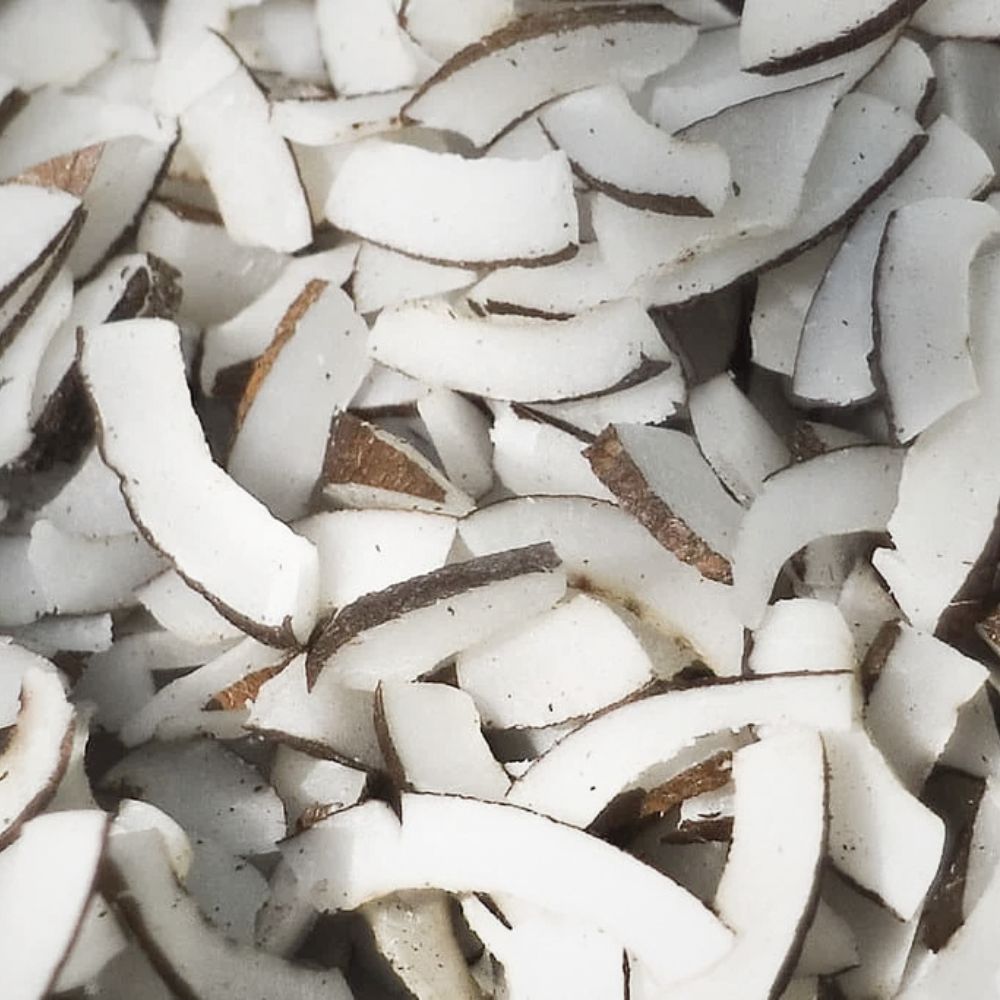
Coconut
Velvety smoothness and viscous mouthfeel
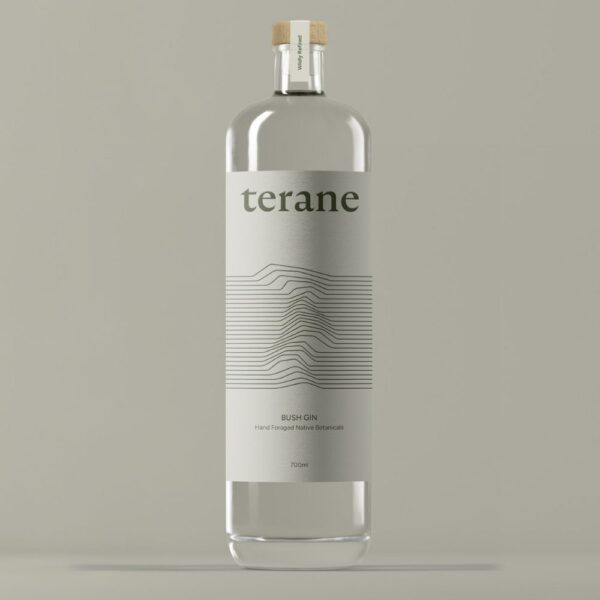
Bush
A more grounded, native-led expression shaped by forest character, warmth, and wild aromatics.
Bare
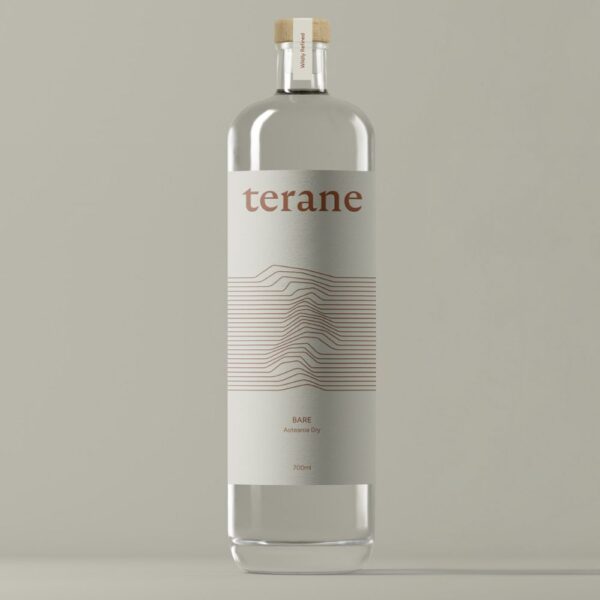
A cleaner, drier expression where classical gin structure speaks with more clarity and restraint.
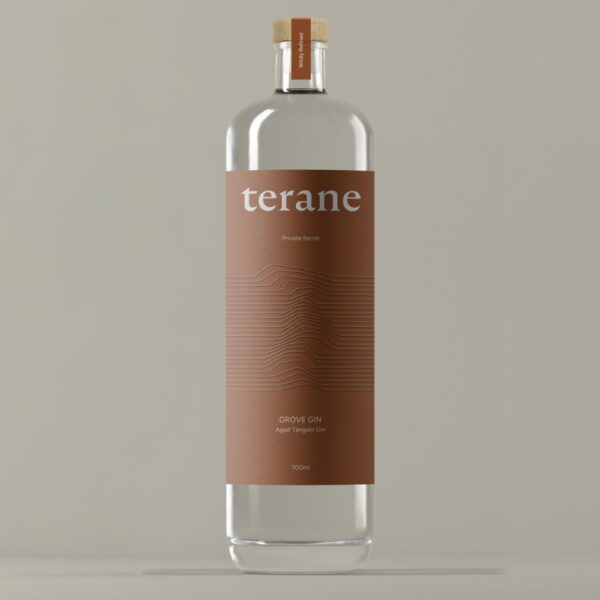
Grove
A brighter citrus-led profile with more lift, freshness, and an easy elegance through the glass.
Pacific
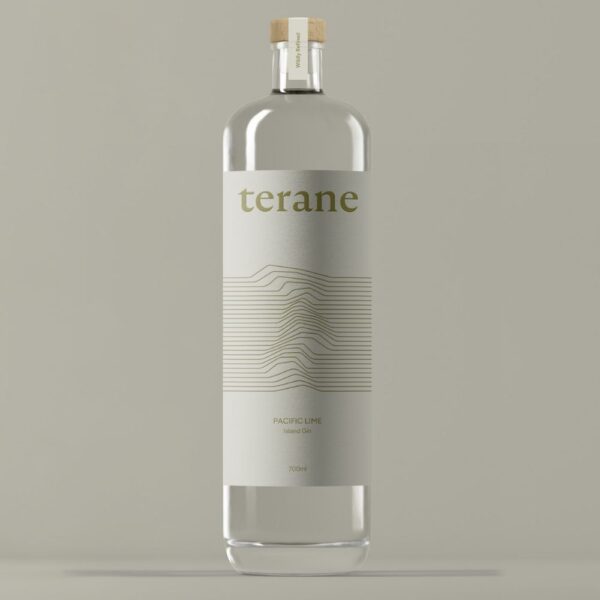
A more coastal expression, where brightness and tension meet a cleaner maritime edge.
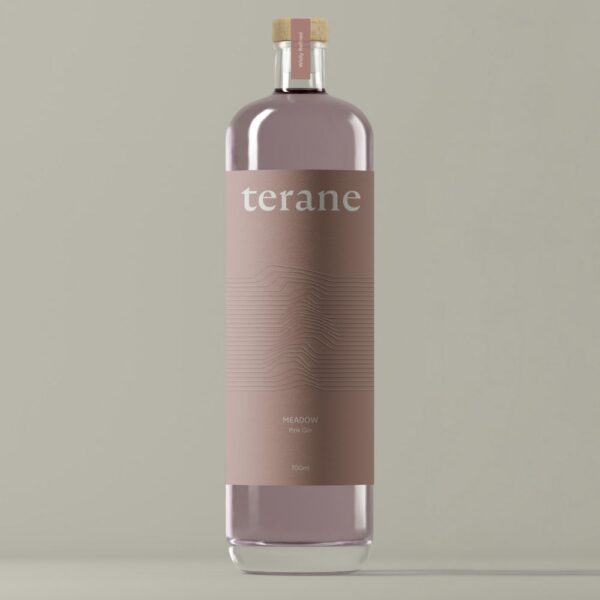
Meadow
A softer aromatic profile that leans toward floral lift, meadow brightness, and a lighter textural touch.
Pōhutukawa
A seasonal native-led release with a stronger sense of coastal New Zealand identity and place.
Frequently Asked
A few common questions about gin botanicals and the Terane approach.
Does Terane use native New Zealand botanicals?
Yes. Native New Zealand botanicals are part of how Terane explores place, atmosphere, and flavour identity across the range.
How are Terane botanicals sourced?
We prioritise ingredients that reflect place – whether that’s locally foraged, grown, or carefully selected from trusted suppliers.
Some botanicals are wild-harvested in small quantities, where season and location shape their character. Others are sourced more consistently to provide structure and balance across batches.
It’s not about everything being local – it’s about everything being intentional.
Are any botanicals foraged?
Yes, wherever possible.
Foraged botanicals bring a sense of place.. subtle shifts in aroma, oil content, and intensity depending on season and conditions. That variability is part of their appeal. It makes every batch unique
How are botanicals prepared for distillation?
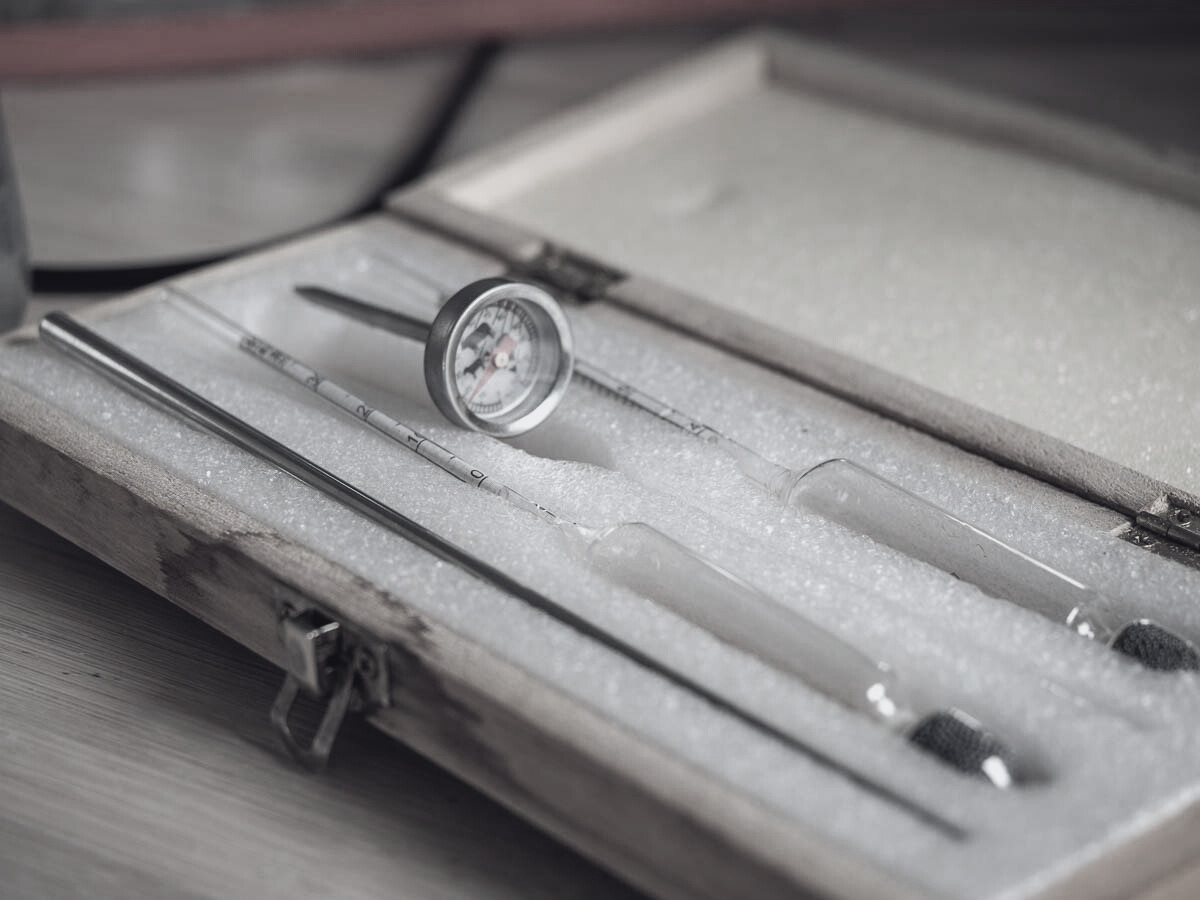
Each botanical is handled differently depending on what we’re trying to extract. Some are dried to concentrate flavour and stabilise them over time. Citrus peels may be fresh or dehydrated depending on the desired brightness. Seeds and roots are often cracked or ground to expose more surface area. Preparation is where a lot of the flavour is decided – long before the still is even turned on.
Do all botanicals go into the still the same way?
No. And this is where things get interesting. Some botanicals are steeped directly in the spirit to extract deeper, heavier notes. We call that ‘Maceration’. Others are suspended in the vapour path, allowing lighter aromatics to be gently carried through during distillation. This balance between maceration and vapour infusion is what creates depth without muddiness.
Does this change between gins?
Absolutely. Each expression has its own botanical structure — not just in what’s used, but how it’s prepared and distilled. That’s a big part of why each gin feels distinct, even when some ingredients overlap.